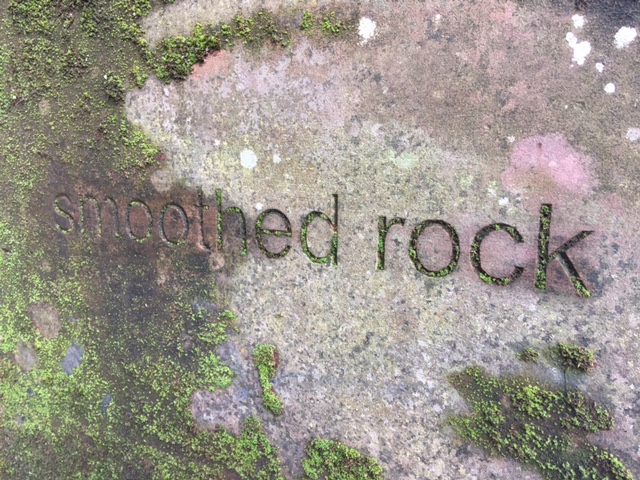
How resilient are you?
This is another question – like last week’s about what direction you are going in – that has probably changed from life BC (before Corona).
As we continue to muse through the 10 keys to happieness, as outlined by the Action for Happiness folk, how extraordinary that we now come to resilience. What timing indeed, considering the number of discussions going on in our nation and world about how to recover from the devastation of Covid-19.
 Conversations around how businesses build resilience into their future business models and how businesses learn to absorb and adapt.
How do communities recover and what lessons on resilience are there for community growth? And of course, so much is being talked about in relation to resilience within our health services.
That idea of absorbing and adapting is key to understanding what resilience means to us.
Look up the word in the dictionary and you get the following definitions:
resuming it’s original shape after bending, stretching, compression
readily recovering from shock, depression
It comes from the Latin word resilio, which means to jump back, and describes our ability as humans to deal with and bounce back from difficult circumstances or adversity.
Two things interest me most here.
Firstly, from my experience as a physiotherapist (physical therapist), when someone bends or is stretched in one direction, especially when stretched to their physical limit, several factors enable them to recover their original standing posture – to bounce back:
-
good strength, especially core strength (deep stomach and back muscles).
-
good balance
-
a stable base of support.
The parallels are easy to see:
When hard times hit, where does our strength come from?
What has life taught us thus far that equips us for what is ahead, assuming we take the time to learn those lessons?
On what principles is our life based, our value system from which we derive strength?
How balanced are we?
Do we take appropriate care of ourselves, and get the physical, mental, spiritual and relational input we need to resource us and prepare us for adversity?
To what extent are we attending to and allowing our souls to be restored?
And how stable are our support networks – whom would we call on in crisis?
Who is there in our life that energises us, inspires us, nourishes and feeds our soul?
And to whom do we do that, as it works both ways.
Equally, with whom do we celebrate the little and big things in life?
Considering those factors, how resilient are you?
The second thing that strikes me as important when considering resilience is it’s position within the 10 keys to happiness.
Think about it with me – if you are already in the habit of giving, have a strong network of close, meaningful relationships, regularly care for your body through exercise, learn to enjoy the moment and appreciate the present, are being stretched and growing in self-confidence through trying new things, and have clear goals and direction for your life, then it follows that resilience will be, in part, fruit of those life choices.
Resilience can be learned.
We can not always choose what happens to us. But we can choose how we respond, what our behaviour and attitudes will be, and we can choose to learn from our circumstances and in so doing, grow in character.
As we learn how to bounce back from the devastation that has been the Covid-19 pandemic, these lessons of good strength, balance and support extend outwards into our communites. This fascinating research article from The King’s Fund on what can be learned about resilience and recovery from Covid and other disasters highlights four key areas:
- prioritising mental health recovery and well being
- strengthening community connections and ensuring no part of the community is left behind
- effective collaboration that is relationship-based
- focusing on workforce well-being.
To do this requires concerted efforts to listen to and assess the level of need. Not just jumping straight in to fix, but listening with a view to really understand and evidence gathering as to how people are feeling, what the needs are and what resources will make the biggest difference. This can then lead to a collaborative, relationship-based community led recovery.
For you this week, take time for your own evidence gathering as you consider your own recovery from this pandemic. What are you feeling, how stable are you and what do you now need?
How resilient are you as you consider what it means for you to adapt and recover and move forward into whatever comes next?